Commercial Truck Insurance in California
Specialized Coverage for Local & Long-Haul Drivers
Local Experts in California Trucking Rules
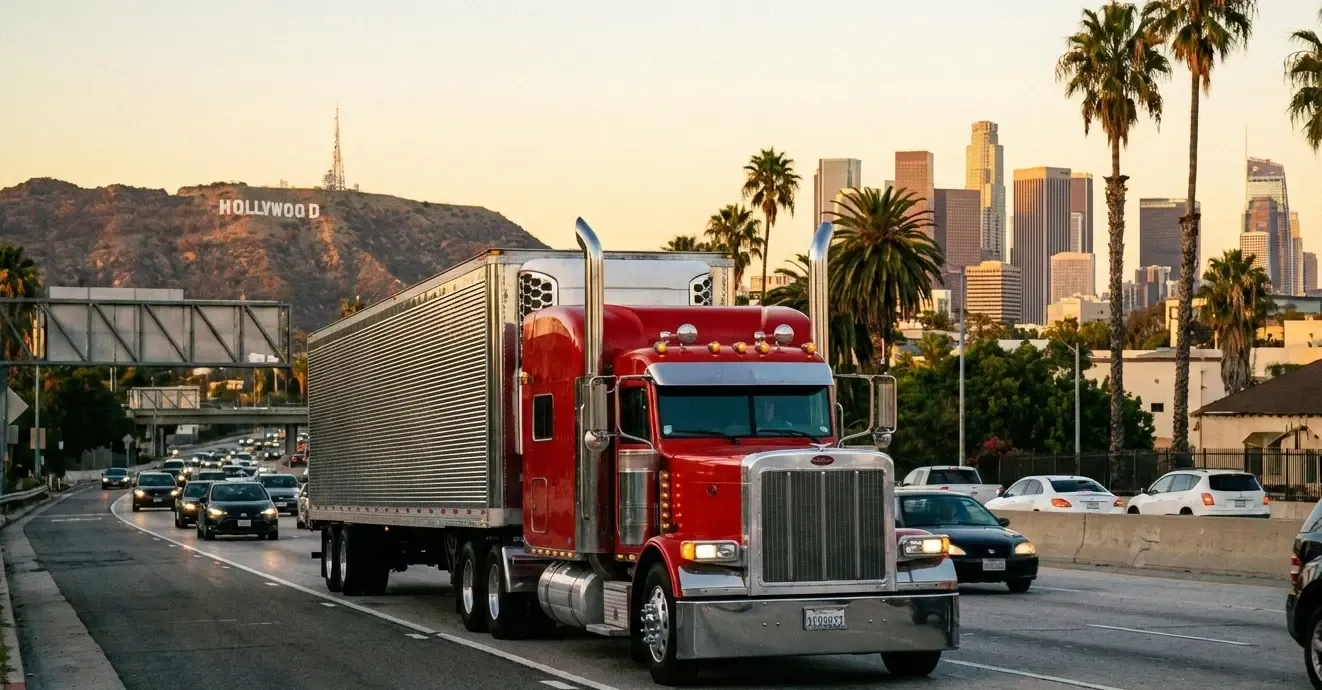
Operating a commercial truck in the Golden State is no small feat. Between strict CA DMV regulations, mandatory MCP (Motor Carrier Permit) filings, and the intense traffic from the Ports to the Grapevine, you need more than a policy. You need Strong Tie Insurance: a local partner who knows California and keeps your wheels turning and your business protected.
Call Now! (866) 671-5050What is Commercial Truck Insurance?
It's the financial engine that keeps your wheels turning. In California, it's a specific requirement for hire truckers and fleets to cover high stakes risks like multi vehicle accidents or cargo theft. It satisfies FMCSA and CA DMV filings, ensuring you stay legal while protecting your truck, your load, and your life's work.
Why is Trucking Insurance Important?
In California's "high verdict" legal climate, insurance isn't just a bill; it's your defense. A solid policy from Strong Tie Insurance ensures you meet the $1M liability standards required by top tier brokers, keeps your Motor Carrier Permit (MCP) active, and prevents a single lawsuit from seizing your personal assets.
Need expert advice for your specific operation? Call us now at (866) 671-5050.
Your Specialists in All Commercial Transportation
No Matter What You Haul, We Have the Solution
At Strong Tie Insurance, we don't believe in one-size-fits-all. Whether you're running a heavy-duty semi on the I-5 or a local delivery van in L.A., we build California-specific coverage around your exact equipment and cargo.
Custom Coverage for Your Specific Equipment
From dry vans and reefers to flatbeds and specialized haulers, we cover every type of truck you run to stay road-legal and broker-ready. We protect your assets so you can focus on the drive.
Solutions for Every California Carrier
California's trucking industry is the backbone of the West Coast, but a driver in the Central Valley faces different risks than a fleet manager at the Port of Long Beach. That's why Strong Tie Insurance provides specialized expertise for every niche in California and beyond.
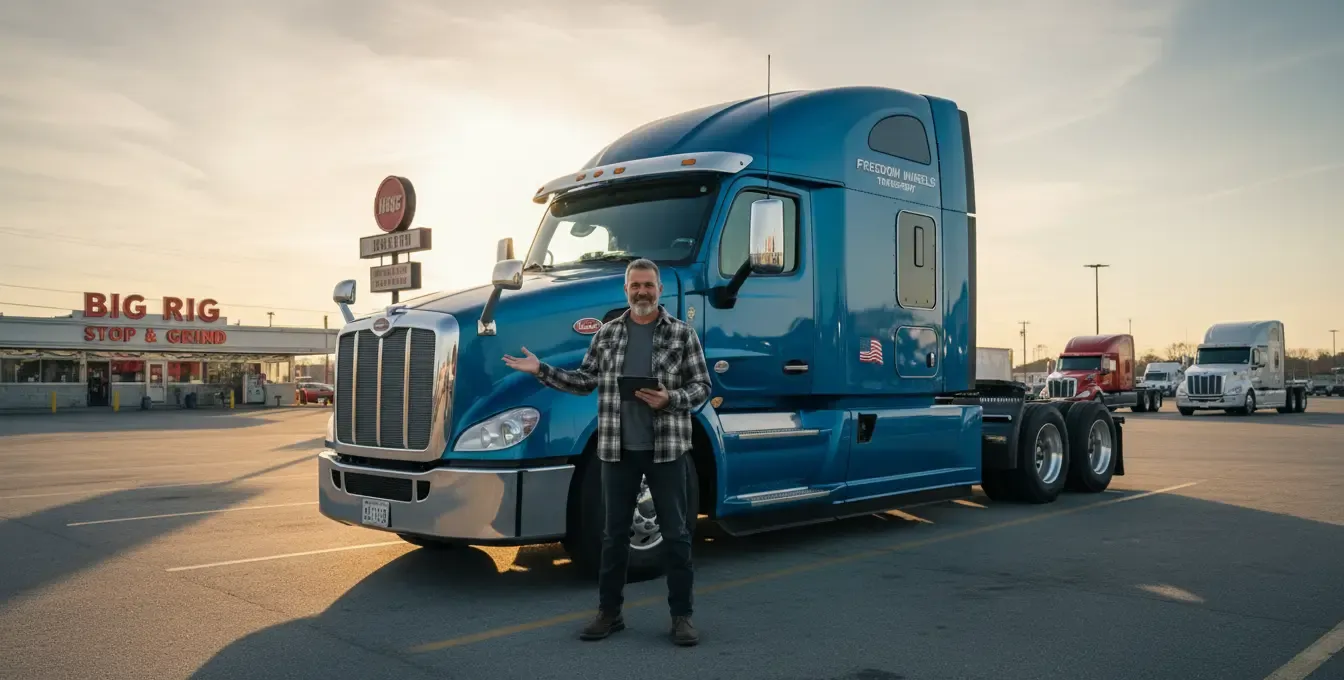
Owner-Operators
Custom protection for those who own their truck and their destiny.
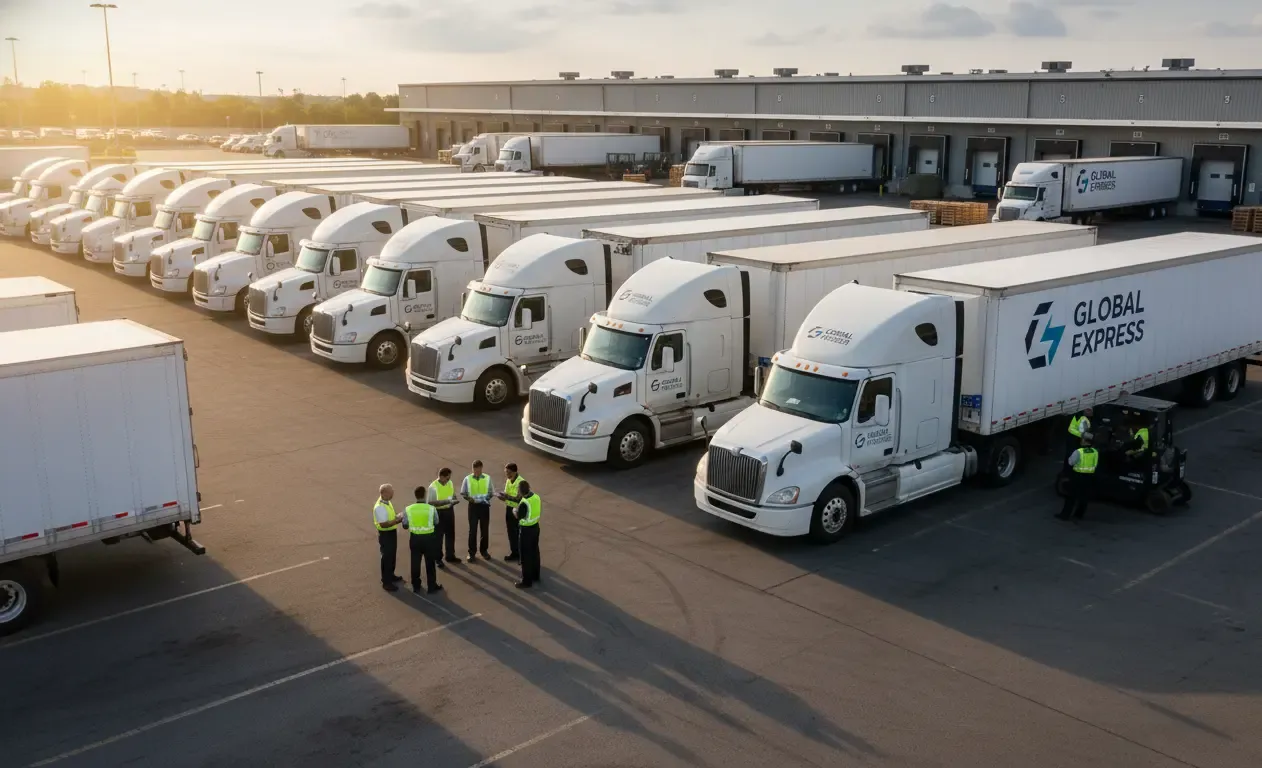
Motor Carriers & Commercial Fleets
Risk management and volume savings for multi-unit operation.
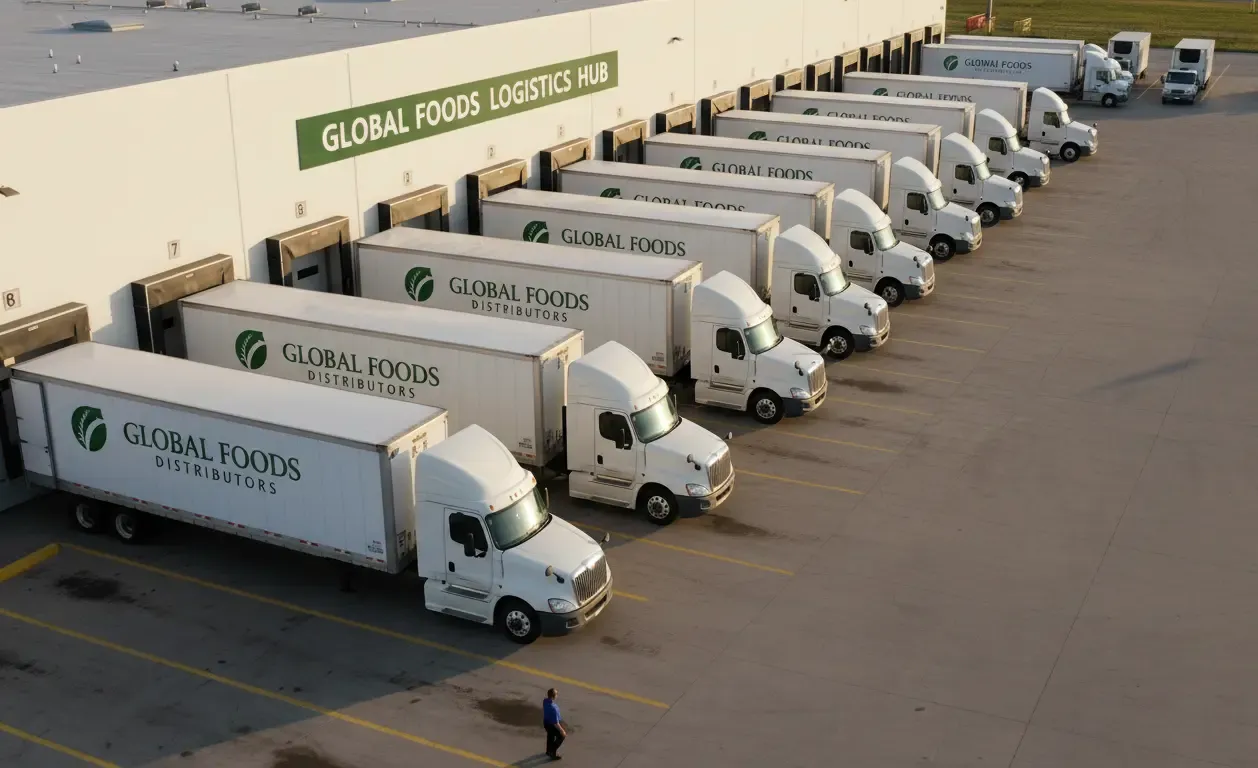
Private Carriers
Optimized policies for businesses hauling their own inventory.
New Venture
Full support with permits and insurance to get you started from Day 1.
What Does Commercial Truck Insurance Cover?
Beyond the required and standard coverage every commercial truck needs, we tailor your policy to your equipment, your cargo, and how you run. Coverage we offer includes:
Motor Truck Cargo
Protects the freight you're hauling against theft, fire, collision, and other covered perils while it's in your care, custody, and control on the road.
- Covers the value of cargo lost or damaged in a covered incident, up to your policy limit
- Applies whether you're hauling for a broker, a shipper, or under your own authority
- Many brokers and shippers require proof of cargo coverage before they'll load your truck
- Coverage limits should match the typical value of the freight you haul, not a generic minimum
Match Your Limit to Your Freight
A $100,000 cargo limit does nothing for you if you're regularly hauling loads worth more. Review your typical freight value each year and adjust your limit before it becomes a problem.
We help owner-operators and fleets set cargo limits that match what they actually haul.
General Liability
Covers third-party bodily injury and property damage claims that happen off the road, like at a delivery site, a warehouse, or your yard, separate from accidents involving your truck in motion.
- Covers injuries to a third party that happen at a loading dock, warehouse, or your business location
- Protects against property damage claims unrelated to operating the vehicle itself
- Often required by shippers, brokers, and landlords before they'll do business with you
- Works alongside your auto liability policy, which only covers incidents involving the truck in operation
Not the Same as Auto Liability
Auto liability covers accidents on the road. General liability covers everything else: a slip and fall at your yard, damage while unloading. Most trucking operations need both.
We review your operation to confirm your liability coverage matches what your contracts require.
Physical Damage
Protects your truck and trailer against collision, fire, theft, and vandalism, covering repair or replacement costs so a damaged rig doesn't put you out of business.
- Covers collision damage to your truck and trailer, regardless of fault
- Includes comprehensive protection against fire, theft, vandalism, and weather damage
- Pays to repair or replace your equipment so you can get back on the road faster
- Especially important on financed or leased trucks, where the lender typically requires it
Know Your Equipment's Value
Physical damage claims are paid based on your truck's actual cash value at the time of loss. Keep your valuation current so a total loss doesn't leave you short on your next purchase.
We help you set accurate values for your tractor and trailer so payouts reflect reality.
Bobtail Insurance
Covers your truck when you're driving it without a trailer attached, like heading home after a drop-off, a gap that most carrier-provided policies don't cover.
- Covers liability while operating the tractor alone, without a trailer hooked up
- Fills the gap that exists once you're no longer under a load or dispatch
- Common for owner-operators driving between drop-off and their next pickup or home base
- Different from non-trucking liability, which applies during purely personal, off-duty use
Bobtail vs Non-Trucking Liability
Bobtail applies right after a drop-off, before you're dispatched again. Non-trucking liability applies once you're off duty entirely, like running personal errands. Most owner-operators need both.
We make sure there's no coverage gap between loads, dispatch, and personal time.
Non-Trucking Liability
Provides liability coverage when you're using your truck for personal reasons while off dispatch, since your motor carrier's policy typically only applies while you're under a load.
- Covers liability for personal use of the truck, like running errands or driving home
- Applies when you're not dispatched, not under a load, and not operating for the carrier
- Required by most leasing agreements between owner-operators and motor carriers
- Much lower cost than full commercial coverage since it only applies during personal use
Check Your Lease Agreement
Most motor carriers require owner-operators to carry non-trucking liability as a lease condition. Confirm the minimum limit your carrier requires before you're out on your own time.
We verify your non-trucking liability meets your carrier's lease requirements.
Trailer Interchange
Protects trailers you don't own but are pulling under a written interchange agreement, covering physical damage while the trailer is in your possession.
- Covers physical damage to a non-owned trailer while it's under your care through an interchange agreement
- Required by most interchange agreements before another party will let you pull their trailer
- Applies only to trailers covered by a signed interchange agreement, not any trailer you hook up
- Works alongside your cargo and physical damage coverage, not as a replacement for either
Read the Interchange Agreement
Your coverage needs to match the trailer's stated value in the interchange agreement. A mismatch between your limit and the agreement can leave you responsible for the difference.
We review your interchange agreements to make sure your coverage lines up.
Coverage that keeps your business standing
California's roads carry real risk, from high repair costs to the legal climate in Los Angeles and San Francisco. The right coverage keeps your business steady through it. Here is how Strong Tie Insurance keeps you covered:
It's the Law
Keep your CA Motor Carrier Permit (MCP) and FMCSA authority active. No insurance = no loads.
Lawsuit Protection
Shield your personal savings from California's high-dollar legal settlements.
Broker Requirements
Secure high-paying routes that require a $1M COI and $100k in cargo coverage.
Peace of Mind
Focus on the road while we handle CARB compliance and equipment protection.
Frequently Asked Questions
Get answers to your questions about our insurance services.
Before that truck moves an inch on a public road, you need, at minimum, a commercial auto liability policy that meets California’s requirements for your type of operation. The specific minimums depend on what you’re hauling and how you’re operating — whether you’re a for-hire carrier, a private carrier, whether you cross state lines, and what your cargo is.
For most owner-operators in California running under their own authority, the Federal Motor Carrier Safety Administration (FMCSA) requires a minimum of $750,000 in liability for general freight. If you’re hauling hazardous materials, that minimum jumps to $1 million or $5 million depending on the type of hazmat. If you’re operating under someone else’s authority as a leased owner-operator, the motor carrier’s policy typically covers the primary liability while you’re under dispatch — but you still need your own coverage for when you’re not.
Beyond the liability minimum, most lenders will require physical damage coverage if your truck is financed. And if you’re hauling cargo for others, your clients or brokers will almost certainly require cargo insurance before they’ll load your truck.
We work with owner-operators and small fleets across Southern California every day. Come in or call us and we’ll tell you exactly what you need for your specific situation — in English or Spanish — and get your coverage bound the same day.
They’re related, but they’re not the same thing, and putting a semi-truck or heavy-duty commercial vehicle on a standard commercial auto policy is a mistake that can leave you with denied claims.
Standard commercial auto insurance is designed for lighter vehicles used in business — vans, pickup trucks, delivery vehicles, and company cars. It covers vehicles typically under 26,000 lbs GVW and doesn’t account for the specific exposures of trucking: long-haul routes, heavy cargo, FMCSA filings, hours-of-service regulations, and the catastrophic liability potential of an 80,000-lb vehicle on the freeway.
Commercial truck insurance is specifically designed for heavy vehicles — semi-trucks, box trucks, flatbeds, tankers, dump trucks, and similar equipment. It’s priced and underwritten differently, it includes trucking-specific coverages like motor truck cargo and bobtail insurance, and it can include the FMCSA or California DMV filings required to operate legally.
The short version: if your vehicle has a GVW over 26,000 lbs, or if you’re operating as a for-hire carrier of any kind, you need commercial truck insurance — not a standard commercial auto policy. We make this distinction with every client to make sure the coverage actually matches the operation.
Bobtail insurance is one of those coverages that owner-operators often don’t know about until they have a gap in coverage — and by then it’s too late.
Here’s the situation it covers: when you’re driving your semi-truck without a trailer attached — either heading to pick up a load, returning after a delivery, or just moving the truck for personal use — you’re typically not under dispatch. The motor carrier’s primary liability policy usually only covers you while you’re actively hauling a load under their authority. The moment you disconnect from the trailer and drive away, their coverage may stop.
Bobtail insurance fills that gap. It covers you when you’re driving the truck without a trailer, regardless of whether you’re on a dispatched haul.
If you’re an owner-operator leased to a motor carrier, bobtail insurance is something you almost certainly need. The motor carrier’s policy covers the load and the operation. Bobtail covers you in between. Without it, there are real windows where you’re driving an uninsured commercial vehicle — which in California is both illegal and financially catastrophic if something goes wrong.
We explain this coverage to every owner-operator we work with because it’s the gap that surprises people most. Ask us about it when you come in.
Here’s the honest answer with real numbers, because most websites avoid giving them.
For a single owner-operator running general freight in California, commercial truck insurance typically costs between $8,000 and $18,000 per year depending on your driving record, the type of freight, your routes, and the value of your truck. That breaks down to roughly $650 to $1,500 per month.
The factors that move that number significantly are:
Your driving history — CDL violations, accidents, and logbook violations all affect your rate and can make certain carriers unavailable to you. The cleaner your record, the better.
Your operating radius — local hauls within California are priced differently than long-haul interstate runs.
What you haul — general dry freight is the baseline. Refrigerated cargo, flatbed, tanker, and especially hazmat all carry higher rates.
Years in business — carriers price new authorities and newer drivers at higher rates. The first two years as an owner-operator are typically the most expensive.
Your truck’s age and value — newer trucks with better safety features can qualify for better rates.
For a small fleet of two to five trucks, the per-unit cost typically comes down as you add vehicles. We work with fleets across Southern California and can compare rates from multiple carriers to find the most competitive option for your operation.
Almost certainly yes — and here’s why you shouldn’t wait for someone to require it before you get it.
Motor truck cargo insurance covers the freight you’re hauling if it’s damaged, lost, or stolen while in your care. If you’re a for-hire carrier, the shippers and brokers who load your truck are trusting you with their goods. When something goes wrong — a rear-end collision, a cargo fire, or a stolen trailer — without cargo insurance, you’re personally liable for the value of everything that was on that truck.
Most freight brokers require a minimum of $100,000 in cargo coverage before they’ll assign you a load. Some shippers require more depending on the commodity. If you haul electronics, pharmaceuticals, or other high-value goods, $100,000 may not be enough.
What cargo insurance typically covers: damage from accidents, theft of the load, fire, and, in some cases, refrigeration breakdown for reefer loads. It doesn’t cover every scenario — there are exclusions for certain types of cargo and certain types of losses — so it’s worth understanding exactly what your policy does and doesn’t cover before you accept a load.
When you come to us, we review your cargo policy as part of the full coverage package — not as an afterthought.
Getting your own authority is exciting — and the insurance requirements are one of the most important parts of getting it right from the start.
To get your MC number from the FMCSA and operate as a for-hire carrier, you need to file proof of insurance with the federal government before your authority is activated. The FMCSA requires a minimum of $750,000 in primary liability for most general freight operations, filed on a form called the MCS-90. Without that filing, your authority won’t be granted and you can’t legally haul for hire.
Beyond the FMCSA filing, California has its own requirements through the California Public Utilities Commission (CPUC) for intrastate carriers. That means if you’re only hauling within California, you still need to meet state-specific filing requirements.
In addition to primary liability, most new authorities also need motor truck cargo insurance (brokers won’t work with you without it), physical damage coverage if the truck is financed, bobtail insurance, and, depending on your operation, a general liability policy.
We handle FMCSA and CPUC filings directly as part of setting up coverage for new authorities. We’ve helped many owner-operators in Southern California get their authority set up correctly and their insurance filed on time. Call us before you submit your application so we can coordinate the timing.
Lenders are very specific about this, and if you let the wrong coverages lapse, they have the right to purchase insurance on your behalf — at a rate that’s much higher than what you’d pay on your own — and charge it to your loan.
At minimum, every commercial truck lender requires physical damage coverage on the financed vehicle. This typically means both collision (for damage from accidents) and comprehensive (for theft, fire, vandalism, weather, and other non-collision events). The lender will be listed as a loss payee on the policy, which means any insurance payout goes to them first up to the loan balance.
Most lenders also require that you carry a minimum level of liability coverage — not just to protect you, but to protect their collateral from being seized or impounded due to an uninsured accident.
What lenders generally don’t dictate is your cargo coverage or your bobtail coverage — those are operational requirements, not lender requirements. But you need them anyway to operate legally and protect your livelihood.
When you come to us, we structure the policy so it satisfies your lender’s requirements exactly, and we send the certificate and loss payee documentation directly to whoever needs it. No back and forth between you, us, and the lender.
You can, but it’s harder and it will cost more — and the honest answer is that it depends on what’s on your record and how recent it is.
CDL violations are weighted more heavily than regular driver violations because commercial drivers are held to a higher standard. A recent DUI, a serious accident, or multiple moving violations in a short period can make standard carriers unavailable to you. In those cases, you may need to go through a non-standard or surplus lines carrier, which means higher premiums.
That said, “harder” doesn’t mean impossible. We work with multiple carriers, including some that specialize in higher-risk trucking profiles. The key factors are how recent the violations are, whether there’s a pattern or a one-time event, and what steps you’ve taken since — clean driving time, safety courses, and a solid operational track record.
What we’d recommend: come in and give us your complete MVR (motor vehicle record) honestly. Don’t try to minimize or omit anything — carriers pull the full record anyway, and surprises in underwriting make things worse. Let us see the full picture and we’ll tell you realistically what’s available, what it costs, and what you can do over time to improve your rate.
We’ve helped owner-operators in Southern California with difficult records get back on the road legally and affordably. It takes the right carrier and the right approach.
This is a gap that catches a lot of owner-operators off guard, and it’s worth understanding before something happens.
When your truck is parked at a terminal, a yard, your home, or anywhere else between loads, your primary liability policy is still in force — but the coverage context changes depending on whether you’re under dispatch or not.
Physical damage coverage (collision and comprehensive) typically applies to your truck whether it’s moving or parked — so if someone hits your parked truck or it gets vandalized overnight, that coverage applies.
Cargo coverage typically only applies when there’s cargo on the truck and you’re responsible for it. If you drop a loaded trailer and bobtail away, the trailer and its contents are generally covered under the motor carrier’s cargo policy, not yours. But if you’re sitting on a loaded truck between pickup and delivery, your cargo policy should be active.
The bobtail or non-trucking liability question comes up most when you’re driving the truck without a trailer, as we discussed. That’s when the gap opens up if you don’t have bobtail coverage.
The simplest thing we tell owner-operators: make sure you understand what each piece of your insurance covers and when. When you work with us, we walk through the full picture so there are no surprises.
This is the right question to ask — because the cheapest policy isn’t always the one that actually protects you when something goes wrong.
Here’s what actually moves the needle on truck insurance costs:
Your driving record is the single biggest factor. Every year of clean CDL driving improves your rate. If you have violations, the most effective thing you can do is drive safely and wait for them to age off.
Your operating radius matters more than most people think. If you’re hauling locally within Southern California rather than doing long-haul interstate runs, you’re generally a lower-risk profile and carriers price you accordingly.
What you haul affects your rate significantly. If you can avoid high-risk commodities — hazmat, high-value electronics, and alcohol — your cargo and liability rates will be lower.
Working with an independent agency — like us — means we compare rates across multiple carriers for your specific profile instead of locking you into one company’s pricing. Some carriers are significantly more competitive than others for specific types of operations, truck ages, or routes. We know which ones are best positioned for the California market and for the communities we serve.
We also review your policy at every renewal. Truck insurance rates change, carriers adjust their appetite, and your profile changes over time. A rate that made sense two years ago may not be the most competitive option today.
Come in and bring your current policy if you have one. We’ll tell you honestly whether there’s room to do better.
Latest News
Customer satisfaction is at the center of everything we do. Feel the difference with close, hands-on service and a dedicated support team.