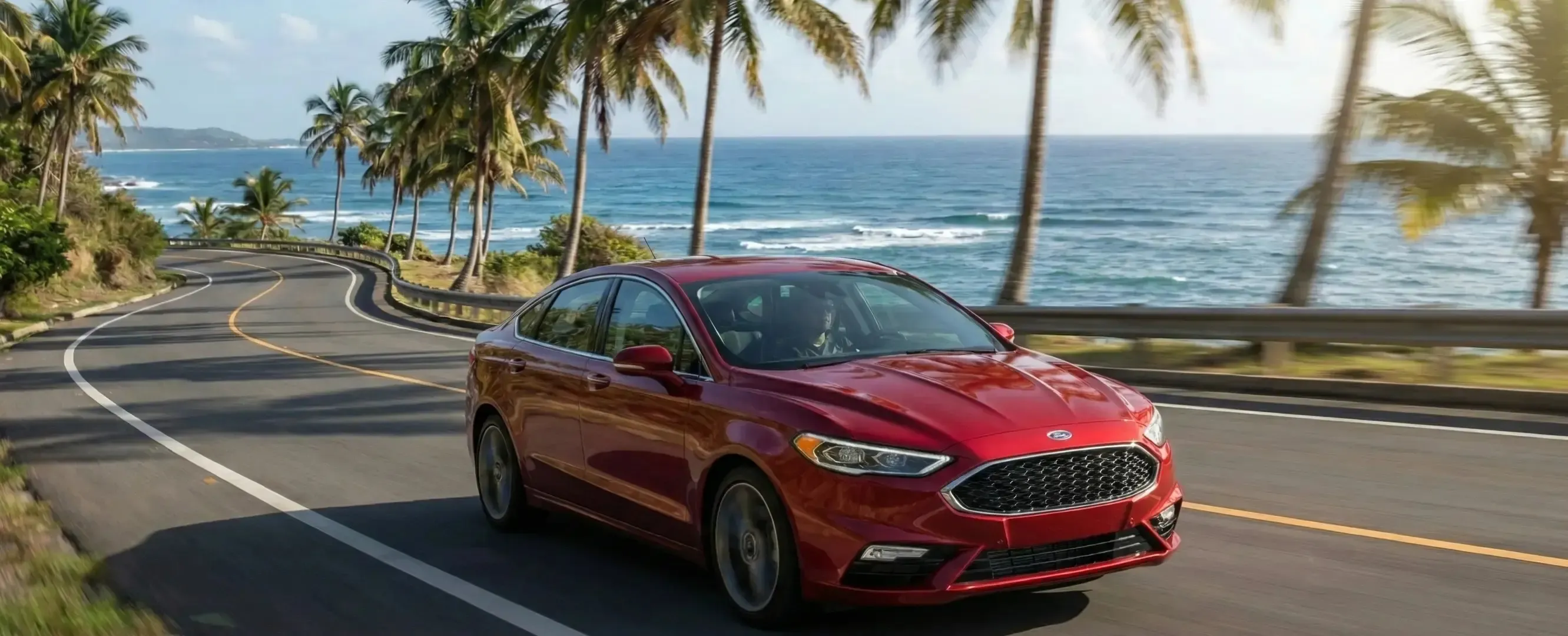
Affordable, Reliable Coverage Tailored to California Drivers
Get the protection you deserve.
We Shop the Market for You
We compare rates from multiple carriers to find the coverage that fits your car, your budget, and your situation with bilingual agents and 10 local offices across Southern California.
Call Now (866) 671-5050Affordable Auto Insurance in Los Angeles and All of California
Top carriers we shop to find your best rate






What Does Car Insurance Cover in California?
A policy can include several types of coverage. Here is what each one means in plain terms, so you know exactly what you are paying for.
Liability: The Minimum California Requires
Liability is the only coverage California law requires every driver to carry. It pays for the injuries and damage you cause to other people and their property when you are at fault in an accident.
- $30,000 for injury or death to one person
- $60,000 for injury or death to more than one person
- $15,000 for damage to other people's property
- Legal defense if you are sued after an at-fault accident
The honest truth about minimums
California raised its minimums to "30/60/15" in 2025, but they are still a legal floor. In Los Angeles, where medical bills and repair costs run high, those limits can run out fast after a serious accident, and you would be personally responsible for the rest.
We will show you what adequate liability coverage looks like for your situation and help you find a price that works.
Collision: Damage to Your Own Car
Collision coverage pays to repair or replace your car after a crash, no matter who was at fault. Liability protects everyone else; collision is what protects your own vehicle.
- Crashes with another vehicle, including hit-and-run
- Single-car accidents: a pole, a guardrail, a deep pothole
- Rollovers, no matter how they happen
- Required by most lenders if your car is financed or leased
How your deductible works
You choose a deductible, usually between $250 and $1,000. You pay that amount toward repairs and the policy covers the rest. A higher deductible lowers your monthly payment but means more out of pocket after an accident.
We help you pick a deductible that fits your budget both ways: the monthly payment and the day something happens.
Comprehensive: Everything but a Collision
Comprehensive covers damage to your car from things other than a crash. In California, that list is longer than most people expect.
- Theft, including stolen catalytic converters
- Vandalism and broken windows
- Fire, flood, hail and falling trees
- Hitting an animal on the road
Why it matters in California
Catalytic converter theft and wildfire are two of the most common comprehensive claims in the state. If you park on the street or live near a fire zone, this coverage does quiet, important work.
Comprehensive and collision together are what most people call "full coverage". We will tell you honestly whether your car's value justifies it.
Uninsured Motorist: When the Other Driver Has Nothing
Roughly one in six California drivers has no insurance. Uninsured motorist coverage steps in when the at-fault driver cannot pay, so someone else's mistake does not become your debt.
- Your medical bills after a crash caused by an uninsured driver
- Crashes with underinsured drivers whose limits are too low
- Injuries from hit-and-run accidents
- Lost wages while you recover
Not required, but close to essential
California does not force you to carry it, but insurers must offer it and you can only decline it in writing. For what it costs, it is one of the strongest protections on the policy.
We include it in your quote by default, so you can see the real cost before you decide.
Medical Payments: Care for You and Your Passengers
MedPay covers medical bills for you and anyone riding with you after an accident, no matter who was at fault. It pays quickly and has no deductible.
- Ambulance rides, emergency room visits and follow-up care
- Covers your passengers, including your family
- Helps with health insurance copays and deductibles
- Protects you as a pedestrian or on a bicycle too
Small coverage, fast help
Limits usually run from $1,000 to $10,000 per person. It is not a replacement for health insurance; it is the money that arrives first, before fault is sorted out.
If anyone in your family rides without health insurance, MedPay deserves a serious look.
Why Choose Strong Tie Insurance for Your Car Insurance?
Finding cheap car insurance in California can be difficult, especially if you have a complex driving record. At Strong Tie Insurance, we do not judge; we protect.
We shop the top national carriers for your best rate, but you deal with a local neighbor, not a 1-800 call center. Find us in Downey, Bell, Fontana, Huntington Park, Van Nuys, Santa Ana, Riverside and Los Angeles.
Why California Drivers Choose Strong Tie Insurance
Bilingual Service
Consultations, policy explanations, and claims support in English or Spanish, from start to finish. No transfers, no waiting for a translator, no confusion about what your policy covers.
Independent Agency
We are not tied to one insurance company. When you come to us, we pull rates from multiple carriers and find the one that makes the most financial sense for your car and your budget. Those options translate directly into savings for you.
Same-Day Coverage
Quotes in minutes, SR-22 certificates filed electronically with the DMV, and proof of insurance sent to your phone. Call in the morning and you can often drive insured that same day.
Local Offices Near You
We are not a call center. You have 10 offices where you can sit down with a real agent who knows the California market. Walk-ins welcome, no appointment needed.
Don't Have a California Driver's License? You May Still Qualify for Coverage
You do not need a California driver's license to get car insurance. If you have a valid license from another country, a Mexican driver's license, or an international driving permit, many carriers in California will insure you. This is one of the most common situations we help clients navigate, especially in our community.
This is one of the areas where having a bilingual, local agent makes the biggest difference. The rules vary by carrier and situation, and knowing which carriers to approach for your specific circumstances is something we have built over 20 years of serving this community.
How Much Is Car Insurance in California?
Most insurance websites dodge this question. Here is the honest answer, with real ranges from the Southern California market.
Indicative Monthly Rates in Southern California
- Liability only (minimum)
- $80–$150
- Standard full coverage
- $180–$350
- SR-22 / high-risk driver
- $250–$500+
- Young driver (under 25)
- $220–$450
- Bundled home + auto
- Save 10–20%
These ranges are a guide, not a quote. Your actual rate depends on your specific profile. Getting a quote with us takes about 10 minutes and is completely free.
Factors That Affect Your Rate in California
Here's what insurers actually look at when pricing your policy.
Your driving history
Accidents, tickets, and DUIs stay on your record for 3 to 10 years. A clean record is the single most effective way to keep your premium down.
Your ZIP code
Where you live and park your car matters significantly in California. High-theft and high-traffic areas carry higher rates.
Your vehicle
Make, model, year, and theft risk all factor in. Some models are stolen far more often in Southern California, and carriers price that in.
Your coverage choices
Higher deductibles lower your monthly premium but increase what you pay after a claim. We help you find the right balance.
Whether you bundle
Adding home or renters insurance with the same carrier typically saves 10–20% on both policies.
SR-22 Insurance in California
If the DMV or a court has required you to file an SR-22, it does not mean you cannot get coverage. It means you need a carrier that can handle the filing, and we work with several that do.
What is an SR-22?
An SR-22 is not a type of insurance. It is a certificate of financial responsibility that your insurer files with the California DMV. It is typically required after:
- A DUI or DWI conviction
- Driving without insurance
- Too many points on your driving record
- A license suspension or revocation
In California, most drivers must maintain an SR-22 for 3 years. The filing fee is typically $15–$35. The main cost is the higher premium from being classified as high-risk, but we find the most competitive rate available.
Local Agents Serving Your Community
We understand our community's needs.
With offices across Southern California, including Bell, Downey, Huntington Park and Riverside, you can walk in and talk to a real agent.
Our entire team is bilingual. We can help you navigate your policy in the language you are most comfortable with.

Frequently Asked Questions
Get answers to your questions about our insurance services.
The honest answer is: if you haven’t compared rates in the last 12 months, there’s a good chance you are. Insurance rates change every year. Carriers adjust their pricing based on market conditions, claims data, and competition. What was a competitive rate two years ago might not be today.
The easiest way to find out is to get a comparison quote. As an independent agency, we pull rates from multiple carriers for your exact profile, same coverage, same vehicle, same driving history, and show you what’s out there. We do it for free, and it takes about 10 minutes. Most clients are surprised by what they find. Some are already at a good rate. Others are paying $50, $80, or even $100 more per month than they need to be.
If you’re in Southern California and haven’t compared in a while, come into any of our offices or give us a call at (800) 924-7070. It costs you nothing to find out.
Yes. A valid Mexican driver’s license is accepted by many insurance carriers in California. You don’t need a California license to get insured. You just need a valid license from your country of origin and a few basic pieces of information about your vehicle.
This is one of the most common situations we handle. We know exactly which carriers are most flexible about international and foreign licenses, and we work with those carriers every day. Getting coverage with a Mexican license is very achievable, especially when working with a bilingual agency that understands your situation.
Call us or walk into any of our 10 offices, and we’ll walk you through your options the same day.
The first thing you do is make sure everyone is safe and call 911 if there are injuries. Then you exchange information with the other driver - name, phone number, insurance carrier, and policy number. Take photos of both vehicles, the damage, and the scene.
Then you call us. That’s the part most people don’t know: you can call your agent first, before you deal with the insurance company directly.
We help you understand what your policy covers in that specific situation, walk you through filing the claim, and make sure you’re not leaving anything on the table. If the other driver was uninsured, we help you activate your uninsured motorist coverage. If your car needs repair, we can point you to shops in the area.
The process isn’t as complicated as it sounds when you have someone guiding you through it in your own language.
This is one of the most practical questions we get, and the answer depends on two things: what your car is worth and whether you could afford to replace it if something happened.
The general rule is this: if your car’s market value is less than 10 times your annual premium for full coverage, you might be better off with liability only. For example, if full coverage costs you $150/month ($1,800/year) and your car is worth $4,000, paying $1,800 a year to protect a $4,000 asset may not make financial sense.
But it’s not always that simple. If your car is your primary way to get to work and you couldn’t replace it quickly out of pocket, even a modest full coverage policy might be worth it for the peace of mind.
When you come in, we do this analysis with you based on your actual numbers, not a generic answer. We tell you honestly what we think makes sense for your situation, even if the answer is “liability only is fine.”
Yes, and in most cases you should. If your spouse drives your car even occasionally, they should be listed on the policy. If they’re not listed and they have an accident, the claim could be denied or the payout significantly reduced.
Adding a spouse to your policy is usually straightforward. If they have a clean driving record, it may not raise your premium much, and in some cases it can actually lower it depending on their history.
If your spouse has a different driving history than you, such as more tickets or an accident in the past few years, we’ll compare options to find the best way to structure the policy. Come in with both of your license information, and we’ll sort it out.
You’re not alone. This is probably the most common coverage question we get.
Think of it this way: collision is for when your car hits something, or something hits your car. Another vehicle, a pole, a guardrail, or a parked car in a lot. If there was a collision involved, that’s the coverage.
Comprehensive is for everything else that happens to your car that isn’t a collision. Your car gets stolen. Someone breaks a window and takes your stuff. A tree branch falls on the hood. Your windshield cracks. A flood damages the interior. A wildfire burns the whole thing.
In Southern California, both matter. The freeways make collisions a daily reality, and LA County consistently has some of the highest vehicle theft rates in the country. If you have a financed car, your lender almost certainly requires both. If your car is paid off, we can help you decide which ones make sense for your specific situation and budget.
It means the California DMV is requiring your insurance company to file a certificate called an SR-22 that confirms you have active liability coverage. It’s not a different type of insurance. It’s a document your insurer files on your behalf.
The DMV usually requires it after something like a DUI, driving without insurance, too many points on your record, or a license suspension. Once you get the SR-22 filed, it stays active as long as you keep your insurance current. If your policy lapses, the insurer notifies the DMV automatically, which can trigger further consequences.
Most drivers are required to maintain an SR-22 for three years in California. The filing fee itself is small, typically $15 to $35. The bigger impact is on your premium, since you’re now classified as a higher-risk driver. But rates still vary significantly between carriers, and we work with carriers that specialize in SR-22 situations and price them more competitively than others.
If you need an SR-22, call us at (800) 924-7070. We can typically have the filing done the same day.
Technically, you need coverage before you drive the car off the lot, not after. California law requires every vehicle being driven on public roads to be insured at all times. There is no grace period.
That said, here’s what usually happens in practice: if you already have an existing auto policy, most carriers automatically extend coverage to a newly purchased vehicle for a short window, typically 14 to 30 days, while you update your policy. But that only applies if you already have active insurance.
If you’re buying a car and you don’t currently have a policy, you need to get covered before you drive it. Most dealers won’t let you drive off without proof of insurance anyway, and lenders certainly won’t.
The good news is that getting coverage done the same day is exactly what we do. Call us before you go to the dealer, or come in the day you’re buying. We’ll have you covered before you leave the lot.
Standard personal auto insurance typically does not cover you while you’re driving for a rideshare company. There’s a coverage gap that catches a lot of drivers off guard.
Here’s how it breaks down: when you have the app off, your personal policy covers you normally. When you have the app on and you’re waiting for a ride request, there’s a gap where your personal insurance may not apply and Uber or Lyft’s coverage is limited. When you’ve accepted a ride and a passenger is in your car, Uber and Lyft provide more substantial coverage, but it’s still not the same as a dedicated rideshare policy.
If you drive for Uber or Lyft, even part-time, you should let us know. Some carriers offer rideshare endorsements that fill that coverage gap at a relatively low additional cost. It’s one of those things that seems minor until you need it, and then it really matters.
Don’t panic, but don’t ignore it either. Act fast.
First, read the letter carefully to understand why. The most common reasons in California are: non-payment of premium, too many claims in a short period, a DUI or serious traffic violation, or the carrier deciding to stop writing policies in your area (which has happened with some carriers in California recently due to wildfire risk).
Once you know the reason, call us. If it’s a payment issue, there may be a reinstatement window. If it’s a carrier pulling out of California, we find you a new carrier before your current coverage ends so there’s no gap in your insurance history, which matters for your future rates.
A lapse in coverage, even a short one, can raise your premium significantly when you get a new policy. The goal is to always have something active. That’s exactly what we help you manage.
We’ve helped hundreds of clients in Southern California navigate cancellations and find new coverage quickly. Call (800) 924-7070 or come into any of our 10 offices, and we’ll handle it.
Latest News
Customer satisfaction is at the center of everything we do. Feel the difference with close, hands-on service and a dedicated support team.
No posts found at the moment.